Advancing care, advancing careers: A PHI workforce innovation is reimagining care for older adults
December 9, 2025
Gloria Walbeck has lived in Tomahawk, WI for close to 28 years. It’s an area she’s known her whole life, having grown up and lived with her parents nearby prior to her time in Tomahawk. She enjoys the fall season here most.
“It’s really, really gorgeous,” she says. “It’s really my favorite time of year because it cools off. It’s not so hot.”
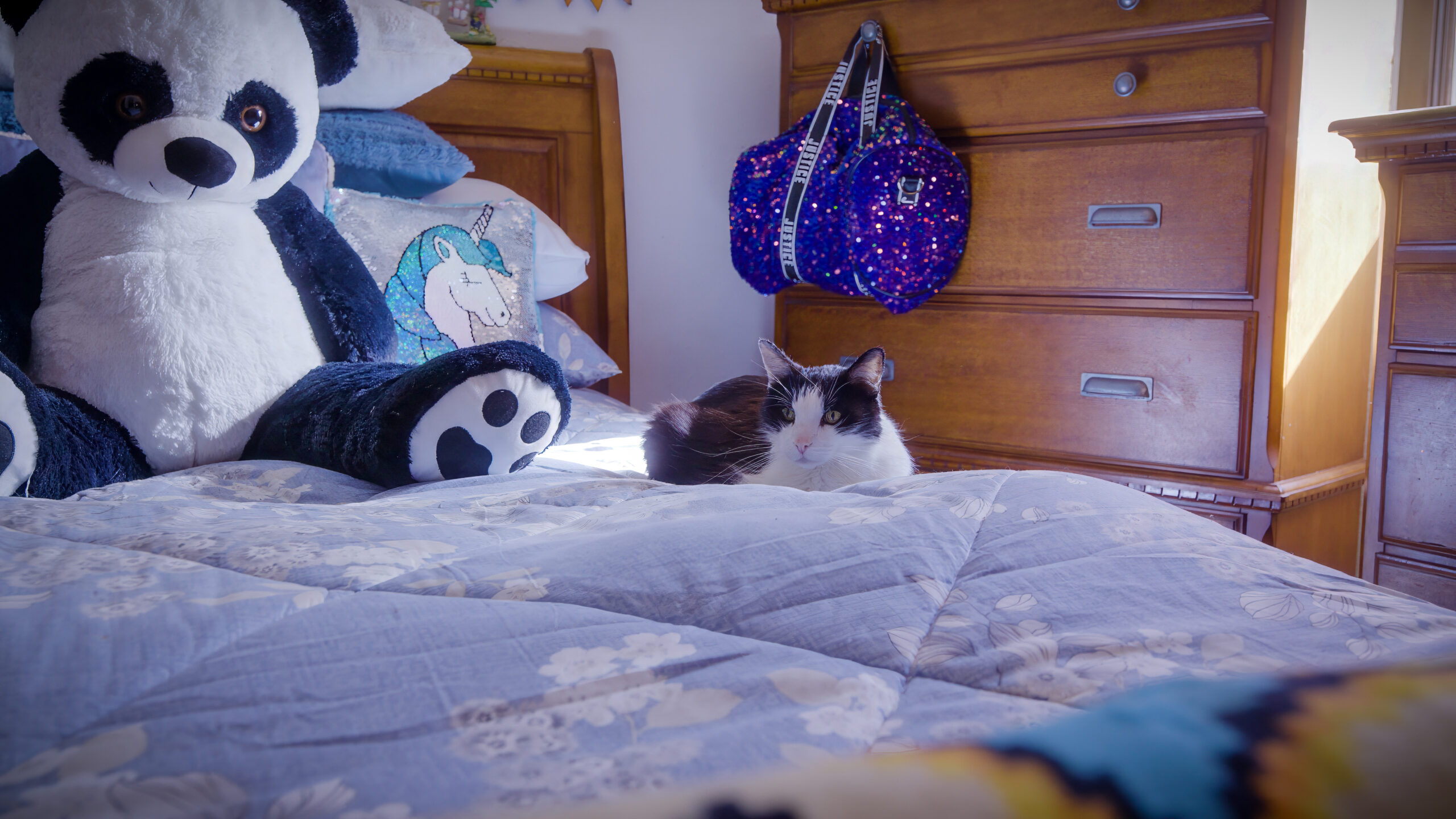
For the past 15 years, Gloria has enjoyed the loyal companionship of her cat, Joey, whom she has raised since he was a kitten. “Joey’s been with me a long time, and he trusts me now,” says Gloria. “He trusts anyone who walks through that door.”
Joey’s disposition was not always so easygoing.
"Before, he used to hide underneath the bed… because I didn’t let people in. Now I'm letting people in more so he's getting used to people now."
— Gloria Walbeck, Tomahawk, WI
Working with a CISA
For the past two and a half years, Gloria has become better connected to others around her as she has relied on care and support through GT Independence, a Wisconsin-based fiscal intermediary for people managing their own self-directed home care services. While at first, she did not let anyone inside her home, including caregivers, a unique role called the Care Integration Senior Aide (CISA) would change that.
CISA—a role for experienced home care workers—is designed to establish coordinated and timely care for home care clients, including by providing better support for other home care staff. Through an innovative career advancement opportunity, the CISA is empowered as a member of the care team and is well-positioned to help older adults monitor and improve their health and overall wellbeing.
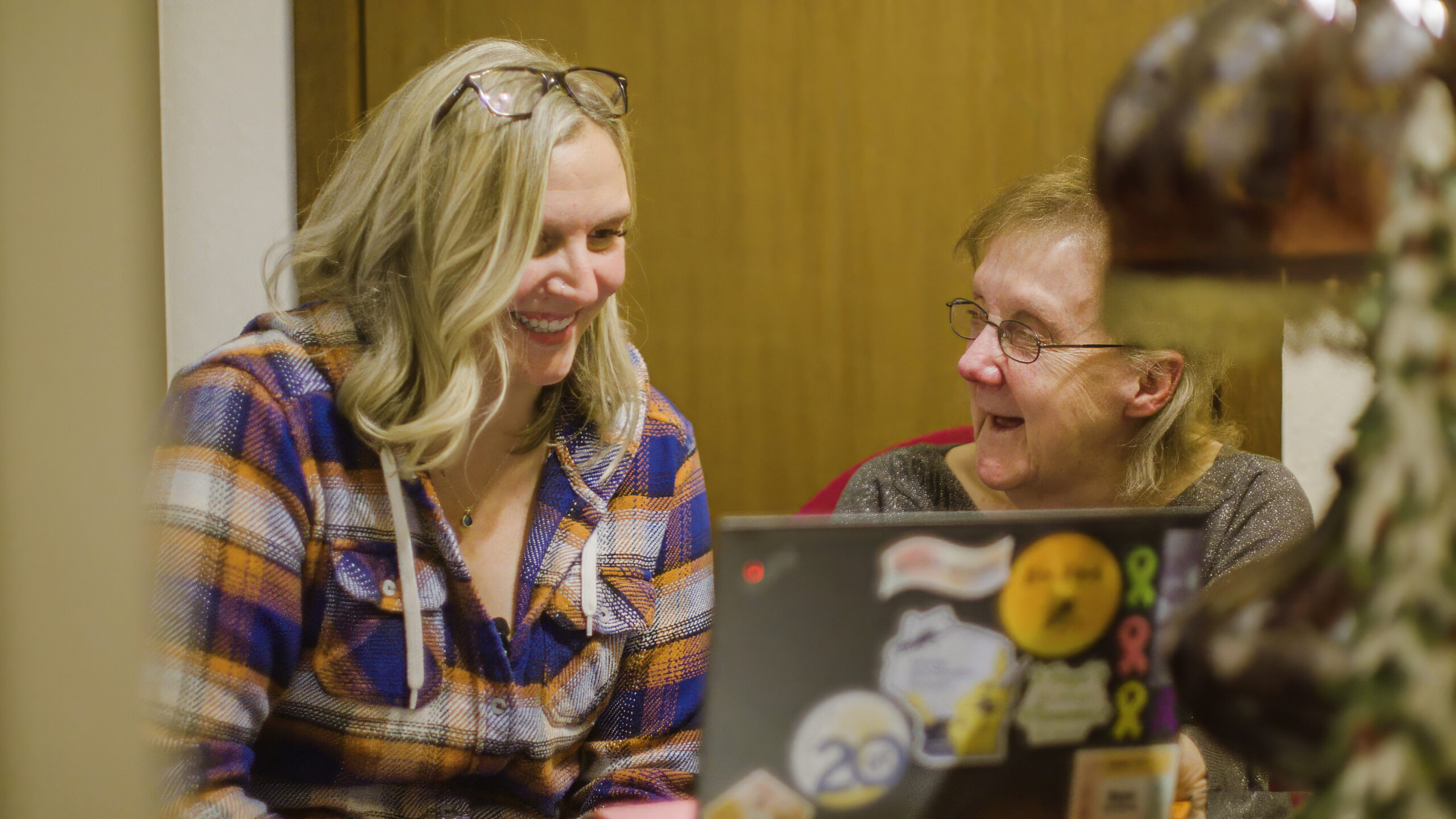
Alicia Jellen, a CISA at GT Independence, describes working with Gloria, saying, “It was really kind of difficult to gain her trust and be able to let us help her. And just over time… with, you know, the one-on-one time and her getting to know us,” Alicia and the care team have been able to make a connection with Gloria.
A new role in direct care
Throughout 2023 and 2024, with support from Margaret A. Cargill Philanthropies (MACP), the nonprofit PHI (phinational.org) partnered with several care providers in Wisconsin, including GT Independence, to pilot the CISA role. As the nation’s leading authority on the direct care workforce, which is comprised of nearly 5.4 million personal care aides, home health aides, and nursing assistants nationwide, PHI promotes quality direct care jobs as the foundation for quality care.
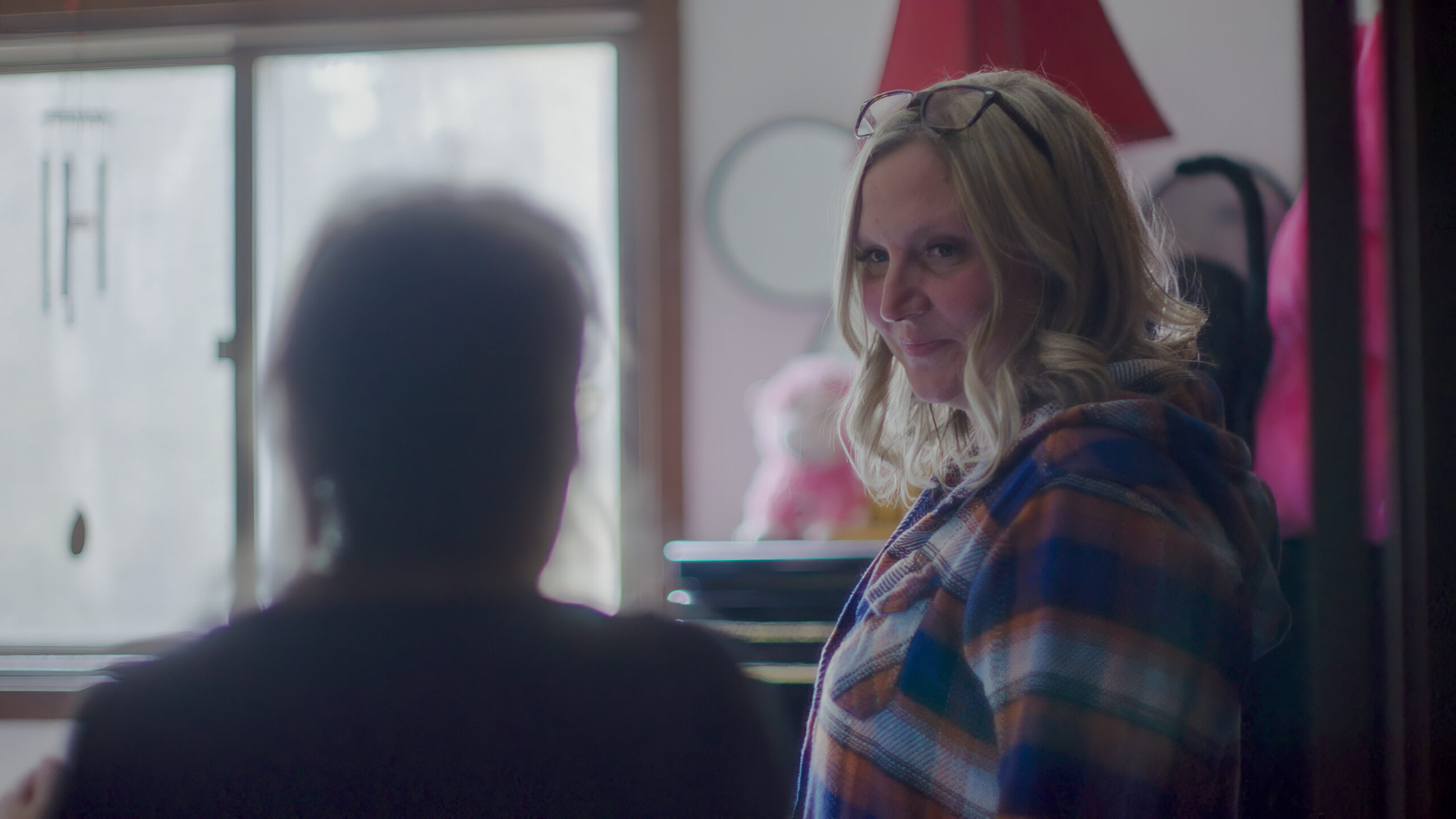

An evaluation of the CISA role, funded by MACP, illustrated how having this central role improved care team integration and resulted in more individualized, timely care for clients. The role was also well received by other health aides, who appreciated the additional support and mentorship that CISAs have provided.
Through her role as a CISA, Alicia has been able to expand the supports she can offer to clients like Gloria. In addition to driving her to doctors’ appointments and helping her pick up medications, she has cooked meals and baked banana bread with Gloria, taken her shopping, and helped schedule maintenance for issues in her apartment. After Gloria received a cancer diagnosis that required eye surgery, Alicia even drove her to her appointments (some more than two hours away) to help her get fitted for a prosthetic eye, representing the trust they had established.
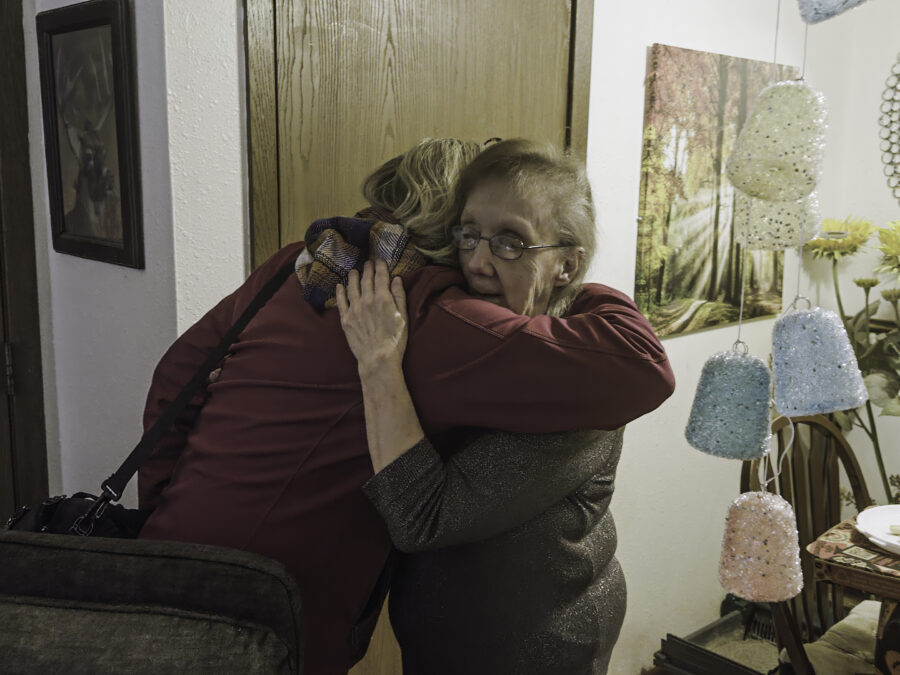
“I’ve got people working for me. I’ve got Alicia. I’ve got it good here.”
— Gloria
The CISA role brings vital information to the care team. Paying close attention to social determinants of health, “the food we put into our bodies, our living space, the doctors we see, our diagnoses, our income, anything that can really affect our health,” Alicia says, is a critical workforce innovation within the CISA role.
“Every three months we ask questions and we go through and… make sure everything in the home is working properly—the fire detectors… [for] nutrition, we make sure that our clients are able to afford and prepare the meals that they need…” she adds. “A lot of times, there will be income changes that we don’t really know about until we ask. And that can affect the food and other things that they may need [such as] medications… then we can look for resources and other programs in the area that help supplement if there is a need.”
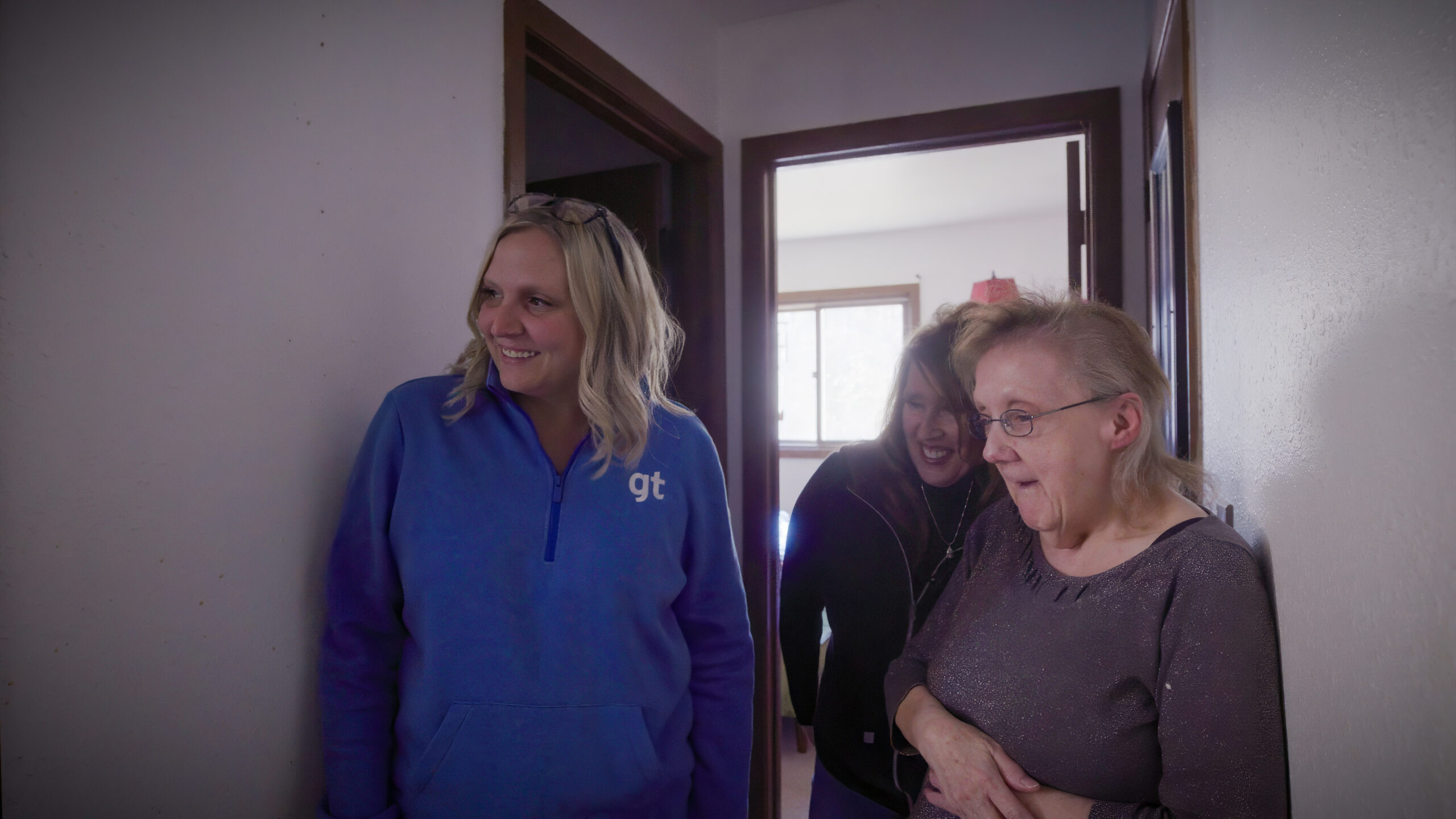
Alicia’s supervisor, Deanna Daniels, a community supported living program manager at GT Independence, has witnessed the difference that CISAs have had on both clients and employees. Deanna says: “Hands down, the CISA role has made such a valuable impact… of course for the clients, but also, it bridges the gap within the structure of the agency… if you have staff that may be struggling with a situation with clients, that’s a perfect opportunity to transition in the CISA role and spend a little bit more time with the client… bring in some more resources and build some more supports around the clients.”
Supporting aging at home
In rural areas like Tomahawk, the CISA role is a significant part in ensuring that people have the supports they need to age in their homes and sustain the best quality of life possible. Now, with continued support from MACP and other philanthropic sources, PHI is continuing to improve home care in Wisconsin and across the country by developing, implementing, and evaluating a Universal Direct Care Workforce™ model. PHI’s comprehensive approach to direct care training and credentialing seeks to foster respect, recognition, and real opportunity for direct care workers. The organization’s Universal Direct Care Workforce Initiative publicly launched in July 2025, and the CISA model is a critical component, alongside targeted improvements to entry-level and specialty training and other innovations.
The CISA role has been a vital resource to supporting Gloria’s quality of life in her home.
“It’s so important to be able to keep people in their homes and as independent as possible.”
— Alicia Jellen, CISA at GT Independence
“We’ve been here a long time,” Gloria says of her and Joey. “I don’t wanna go any other place.”
For Gloria, the ability to live independently at home—surrounded by her cat, her mug collection, and the décor she takes great pride in—is invaluable.

Tasha Beauchesne is a grant writer with PHI, working to craft fundraising materials highlighting the diverse work of PHI. She holds a BA in English from Le Moyne College.