From risk to resilience: community-led responses to recurring catastrophes in Indonesia
June 22, 2026
Photos and story by CRS Indonesia.
In Nonbaun village, a single river can determine whether families reach school, markets or medical care. Dry for much of the year, it can swell rapidly during heavy rain—damaging bridges and cutting off access between villages.
Aware of this risk, Niadaniati Kuanine, known as Nia, works alongside her community to clear debris from the river, reducing flood impacts before the rainy season begins.
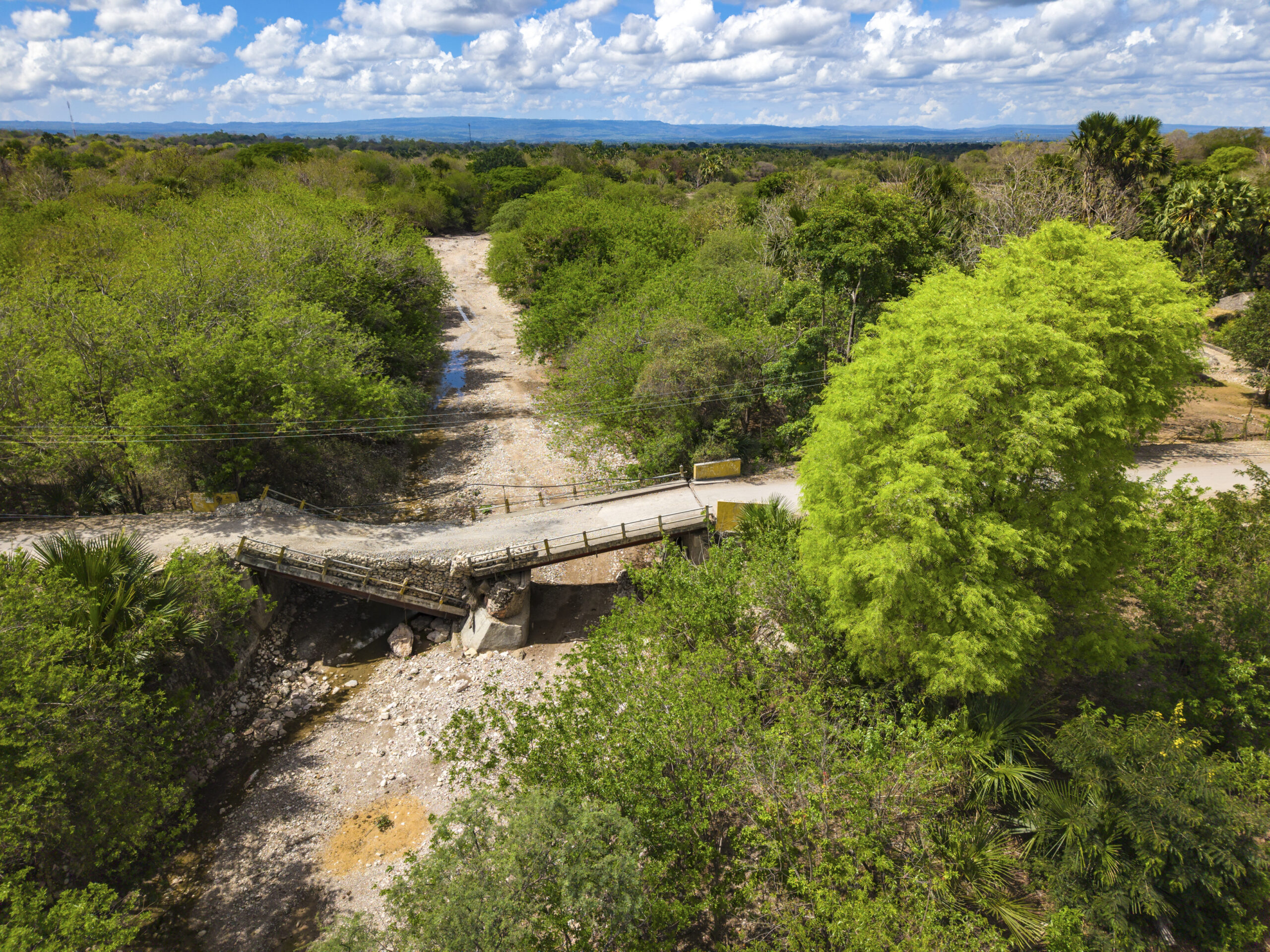
A collapsed bridge and damaged road in Kupang since Tropical Cyclone Seroja in 2021, a lasting sign of the storm’s destruction across the East Nusa Tenggara province of Indonesia.
A woman at the forefront of preparedness
Nia has lived in Nonbaun for more than 10 years. She works in the village government, assisting in the management of community affairs, and is a single mother of four children who lives with her parents. Like many women in the village, she balances caregiving, work and community responsibilities—making disruptions to roads and bridges especially challenging for daily life. When she was invited to take part in Catholic Relief Services’ community-led disaster risk management programming, or CLDRM, the impact was immediate.
“In Nonbaun village, we usually experience floods, landslides, and drought.” — Nia.
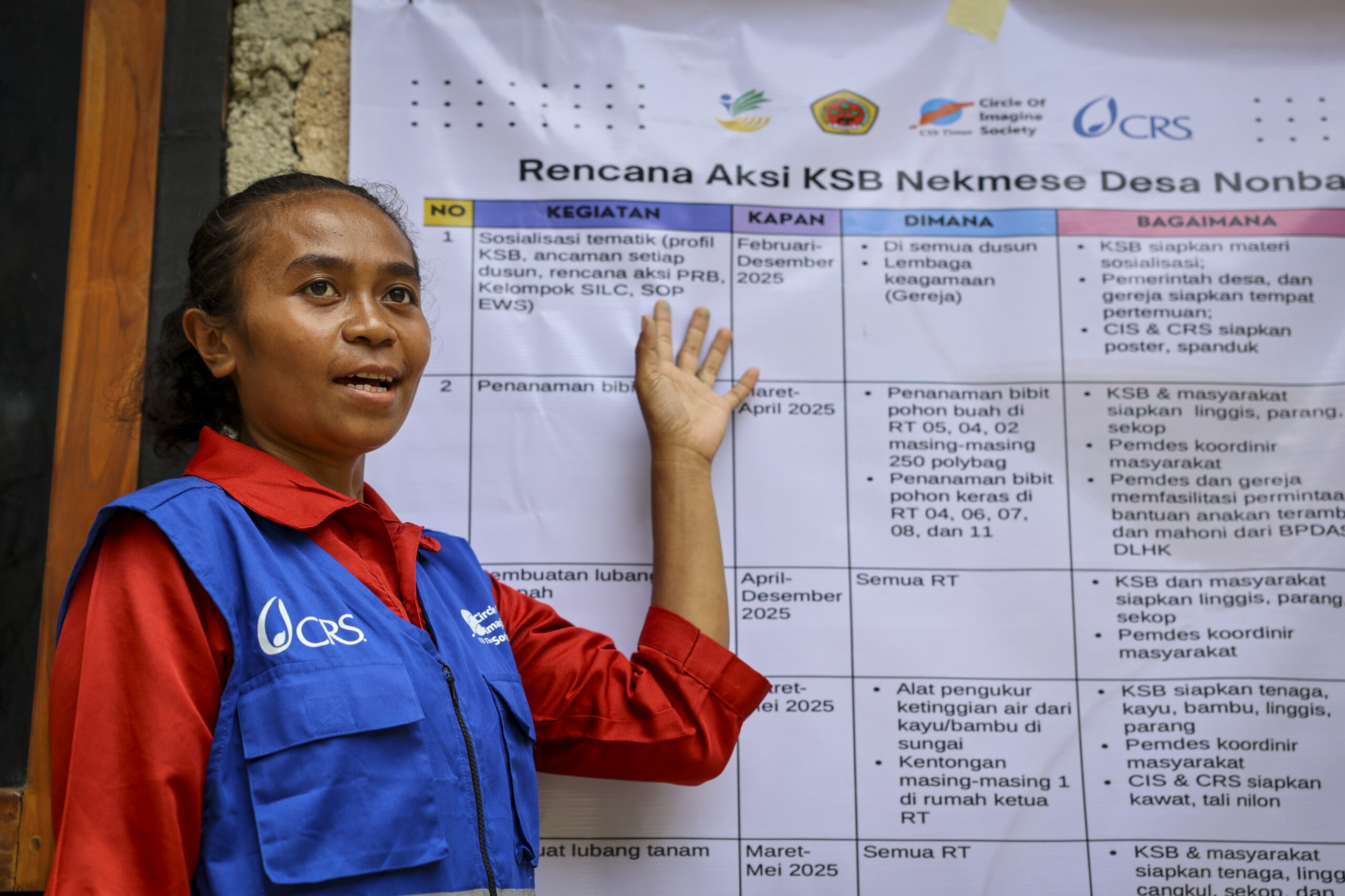
Nia presents a community disaster action plan developed through inclusive participation.
River cleaning has become one of the most practical actions the community has taken. By removing branches, sediment and waste from the riverbed, residents help reduce flood risk to their communities and keep evacuation routes safer when heavy rain makes crossings dangerous or impossible.
“Our living conditions were very difficult due to the situation. We really needed this kind of activity. I am very happy with this, because it involves and motivates us in disaster management in our village.” — Nia
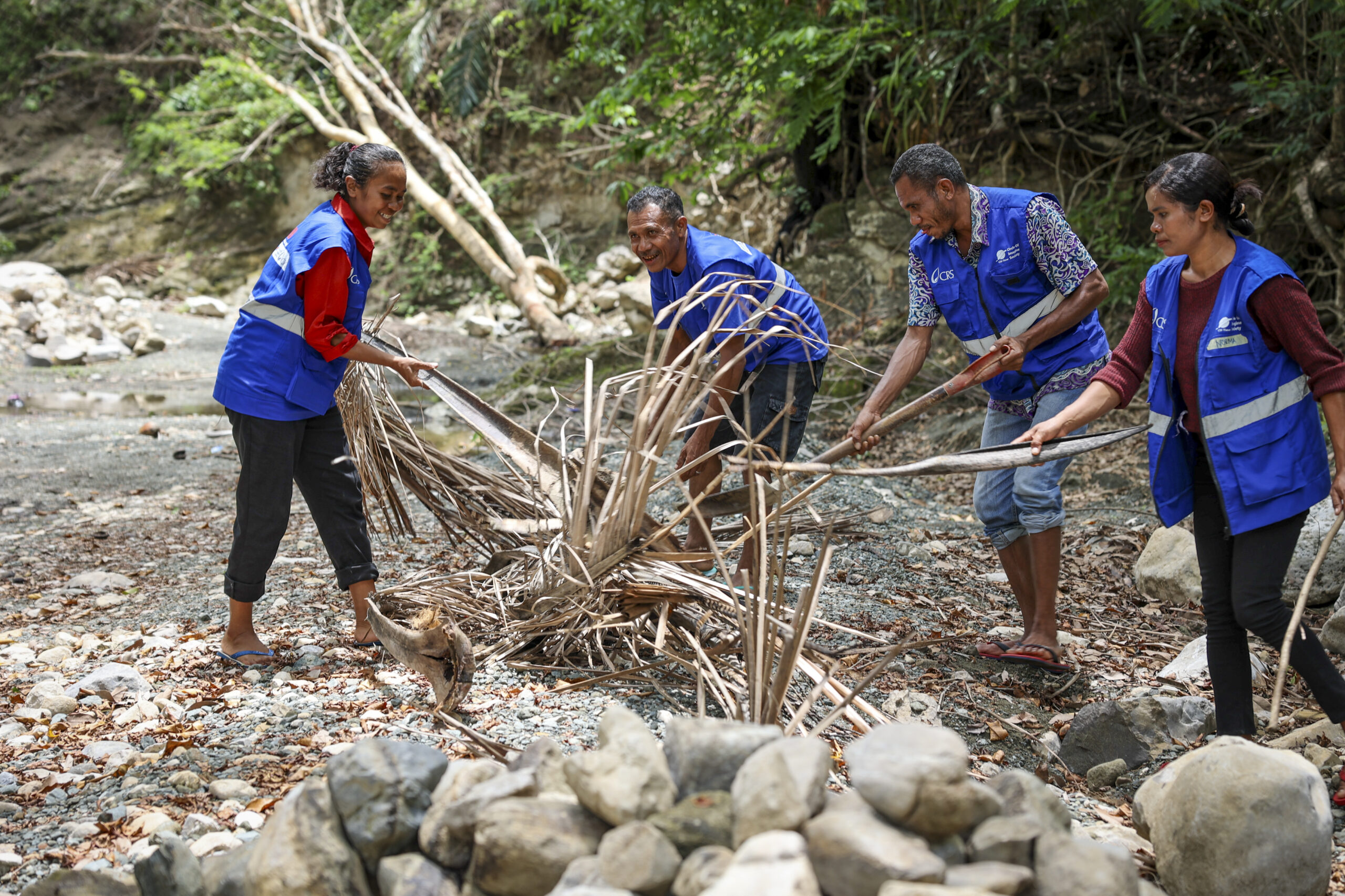
Village members and volunteers clear river flow areas to reduce flood risks before the rainy season.
From learning to action
Through CLDRM and village disaster preparedness activities, Nia and other community members started learning how to assess local risks and work together on planning. “I felt very happy because it was our first time experiencing this activity and we realized how beneficial it is for us here in Nonbaun village.” — Nia
Facilitated discussions covered evacuation planning, early warning systems, and gender equality and social inclusion, or GESI. “We learned about gender equality, evacuation procedures and many other topics. We’ve already put these lessons into practice,” explains Nia.
The project team meets with the Village Disaster Preparedness group and community representatives to review the pilot process.

Nia leads a discussion with Village Disaster Preparedness members on strengthening inclusive participation in local disaster planning.

Village disaster preparedness volunteers use a local hazard map to identify risks and prioritize evacuation areas for vulnerable community members.
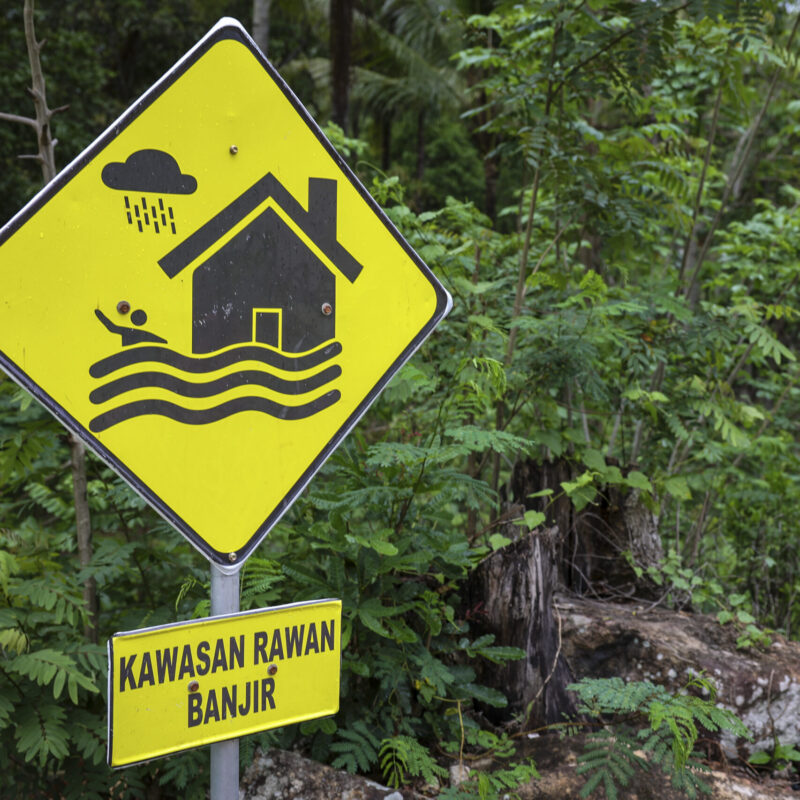
“We’ve installed signs, cleaned the river and set up early warning standard operating procedures,” says Nia. Evacuation signs now mark safer routes. Early warning procedures guide what to do when rainfall intensifies. River cleaning reduces immediate flood risk and helps ensure people can move safely when water levels rise.
Strengthening inclusion
One of the most significant changes Nia has seen is who gets to participate in the decision-making process. Through GESI discussions, women began mapping risks, identifying GESI related problems and developing disaster risk reduction action plans alongside men and other community members—including other vulnerable groups such as older adults and people with disabilities.
“We discussed how to take action, to develop disaster management or action plans to address drought, landslides and other issues. Now women have started to voice their opinions, because they are becoming more confident after being given opportunities.” — Nia

The project is ensuring that women, youth, and other vulnerable groups are meaningfully included in disaster planning.
Today, Nia has been trusted to serve as head of the neighborhood and is invited to village deliberation meetings. She commented, “I also feel happy, because I am seen as a woman who can stand and speak in public.”
Support that builds resilience
This work is supported through the Prepared and Resilient IV Community Resilience to Recurring Catastrophes project, or PAR IV CORRECT, which strengthens disaster preparedness and resilience across 10 at-risk communities in the Kupang and East Flores districts of East Nusa Tenggara province in Indonesia.
Through village disaster preparedness groups and CLDRM facilitation with GESI components, as well as household decision-making training for Savings and Internal Lending Communities, community members have improved their safety and resilience while also strengthening household decision-making and financial management.

“For me, community resilience grows from equal access and opportunities for women and vulnerable groups. An inclusive approach creates an empowering space for communities to thrive.”
— Eka Sundari, Project Officer, CRS Indonesia
Local CRS partner Circle of Imagine Society (CIS) – Timor also plays a key role in GESI facilitation. Desri Mariana Lopo, a GESI staff member, reflects on the approach, “In every act of humanitarian work, inclusion is not a choice—it is the path toward our shared resilience.”
Looking ahead
Nia sees the impact of these efforts clearly. “These activities are very beneficial for us as a community,” she says. “They help us learn new things, and we hope that through these activities, we can begin positive changes in our village.”
Her message to others—especially women—is simple. “Do not stop speaking up. Keep making changes, because starting now, we will see changes that will come in the future.”
In Nonbaun village, those changes are already taking shape along the riverbanks, on evacuation routes—and in the growing confidence of women and other vulnerable groups helping lead their communities away from risk toward increased resilience.
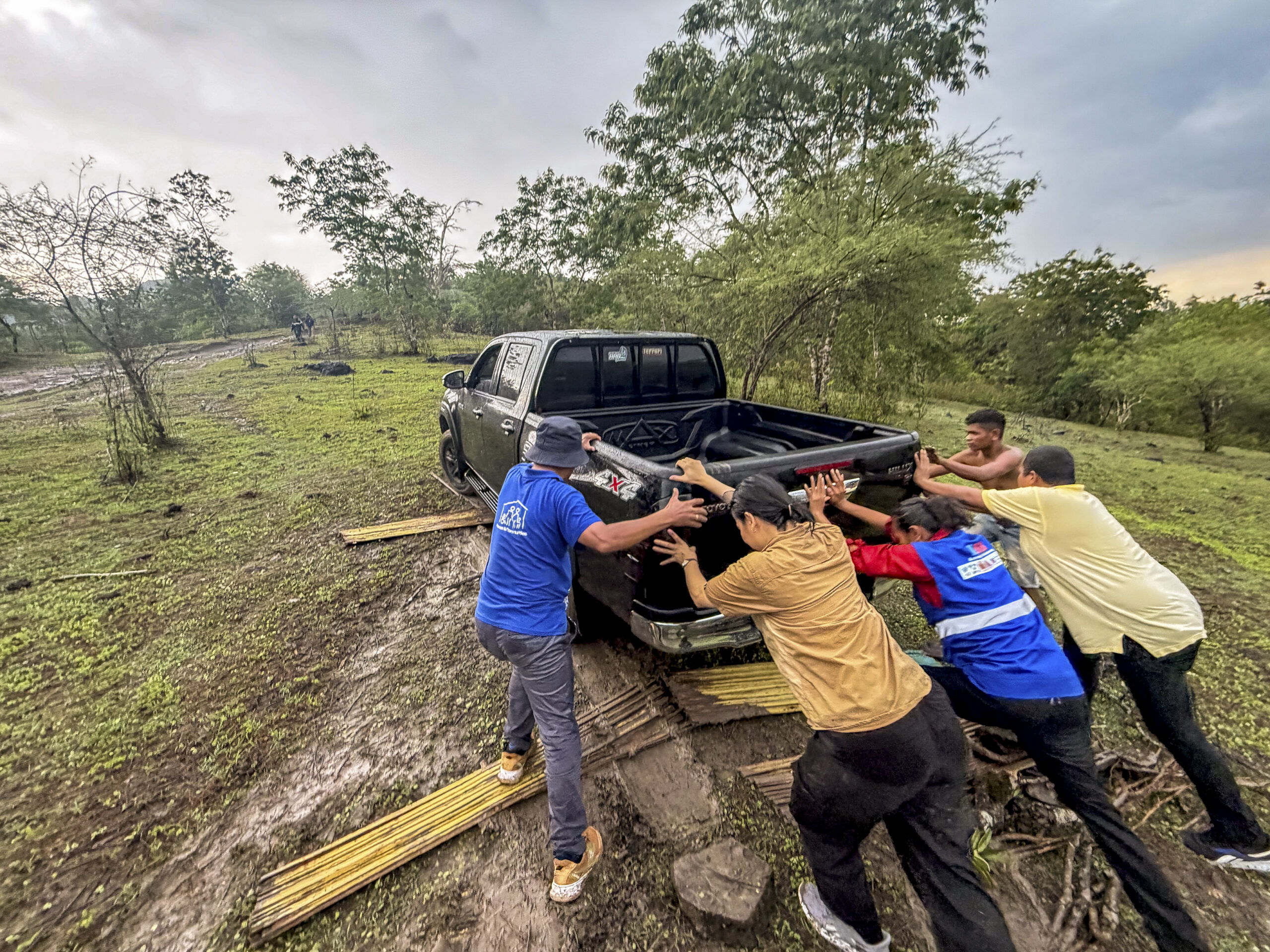
Residents and the project team work together to free a vehicle stuck on a difficult road, reflecting strong community solidarity in reaching remote villages.